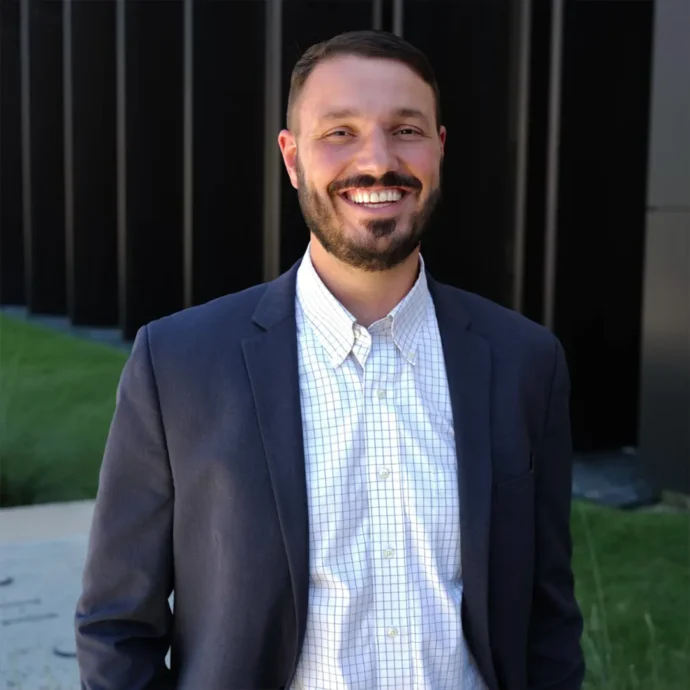
Mental Health Counseling Student
Donovan Kelly
I am a mental health counseling student at Amberton University, currently working through my practicum at Intentional Counseling. I have a background in education, and I enjoy working with people, to learn, to grow, and to set immediate goals.
As a counselor, I want to help people, especially men, with addiction, self-discipline, mood instability, anger, and depression. I believe counseling is for anyone who is looking to make concrete improvements in their quality of life, mental and emotional well-being, and self-mastery.
As a new counselor, I want to take a collaborative approach to offer you not only a space where you can share your current and past difficulties, but also have the opportunity to work with me to build a vision for your life and who you want to be. I work with people of all ages, children, teens, and adults. I am also fluent in Spanish.
As a Catholic, my faith and the bible do inspire me and my world view, however, we do not need to talk about faith or the bible in counseling.
Professional Background
Hours:
- Monday 9am – 1pm
- Tuesday 12pm – 2pm
- Thursday 9pm – 1pm
- Friday 9pm – 5pm
- Saturday 12pm – 5pm
*more availability upon request
Price Per Session: $90
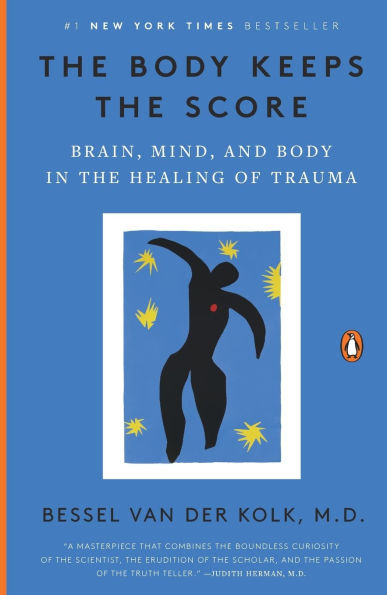
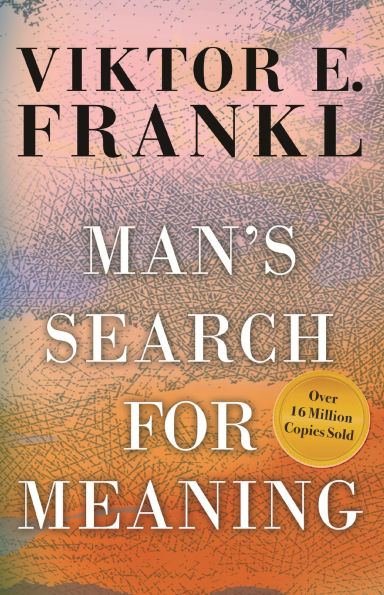
Donovan's Recommendations


Get to Know Donovan
-
How would you describe your approach to counseling?
I primarily take a collaborative approach to counseling because I believe that true healing comes from within people – I am there to help you find your path and the means to become who you are meant to be. I use an IFS (internal family systems) framework, which views people as consisting of many parts, and we’ll work together to identify, heal, and align those parts. I also try to meet my clients wherever they are. Working with kids usually involves play therapy, building trust, and some advice and coping skills, while working with adults is more cognitive, values-based, and future-oriented.
-
What’s one thing you wish more people understood about therapy?
I wish people understood that therapy is a tool to become a better version of yourself, and it is not a prescription to “fix you.” In other words, you do not need a diagnosis or a missing part to go to therapy. Anyone looking for a concrete improvement in communication skills, emotional processing, cognitive processing, or adjusting to a new stage of life can benefit from counseling. An analogy is going to the gym: many people are afraid to go to the gym because they may be overweight or too weak to impress other people, but in reality, other people are impressed simply because you’re going and wanting to improve yourself. Therapy can be an extremely important step in helping yourself.
-
What do you enjoy most about being a therapist?
The thing I enjoy most about being a therapist is when a client has a realization and something “clicks” in their head. Sometimes this happens when I ask a really good question they’ve never considered but gets at the heart of a matter, or sometimes it happens when a client is processing something that happened in the past or talking to one of their parts and realizing something from the past was hurt and swept under the rug. There’s a spark in the eyes and a snapping-to in the posture, which I think shows someone eager for change, and now well-equipped to do it.
-
What are some of your hobbies or interests outside of work?
Outside of work, I enjoy spending time with my wife and four children. We go camping, visiting many of the state parks and national parks in Texas (Dinosaur Valley and Big Bend are our favorites so far). My wife and I love to dance salsa, bachata, and merengue. In my own free time, I enjoy playing basketball, biking, reading, and playing board games. I have too many favorite books to pick one, but The Lord of the Rings, Till We Have Faces, and Fahrenheit 451 are three that I’ve read multiple times.
-
Who would benefit most from working with you?
I work with people of all ages and backgrounds. I can help two particular populations that are underserved: men and Spanish-speakers. Part of my inspiration for becoming a counselor is to help men with men’s issues, and I am fluent in Spanish. For my whole adult life, I’ve worked with children in education. I’d be honored to help anyone looking to improve their life and learn about themselves.
-
What types of therapy do you offer (individual, couples, family, trauma-focused, etc.)?
I offer individual, adult, child, and couples counseling services. I am trained in IFS (Internal family systems) therapy, EMDR, ADHD, and CBT therapy. IFS is a therapeutic lens to view the self and investigate hurt parts of yourself, then to heal and integrate those parts. EMDR is a trauma- focused therapy that incorporates bilateral movement as the means to aid trauma processing. With children, I take a play-therapy approach and often apply my work in education with students of many various learning differences.